
For criminal defense attorneys
You have the case and the client. Retain us and you get the immigration analysis the plea needs, in writing and before the client pleads: what the offered disposition does under the immigration statute, what to ask for instead, and how the record should read. Immigration law is federal, so we work with defense attorneys in every state. We appear in criminal court ourselves only where we are admitted: New York, New Jersey, Florida and Pennsylvania.
Current as of October 2026. We re-check this page regularly and after any rule change.
Much of our plea work is as the second lawyer in the room. The defense lawyer knows the prosecutor, the judge and the realistic range of dispositions. We know what each disposition does under INA 237(a)(2), 212(a)(2) and 101(a)(43), and to every form of relief the client might one day need. The product is a document you can hand to the client, show the prosecutor, and file if you have to.
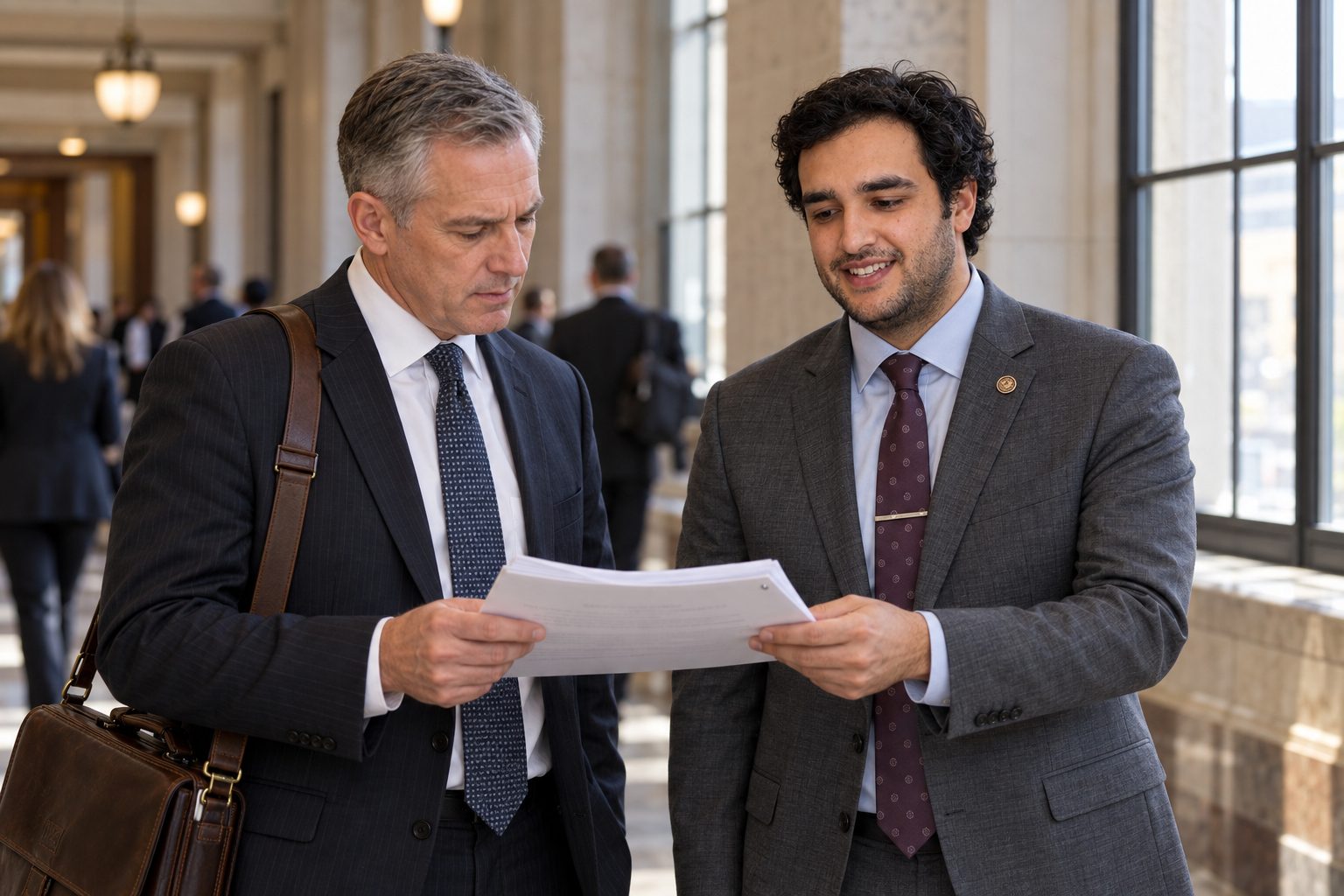
Who retains us for the plea
You retain us
You stay counsel of record and keep the case. We work beside you as immigration counsel: we read the file, write the analysis, and help you find a disposition the client can live with. The client hears one plan from both lawyers. The rest of this page is about this work.
The client retains us directly
A person facing a plea, or their family, can also come to us on their own, often with a criminal lawyer already in place. In New York, New Jersey, Florida and Pennsylvania we can take the criminal case ourselves. Elsewhere, with the client's permission, we work with the lawyer they have.
Padilla v. Kentucky and the cases after it
Since 2010, advice about deportation has been part of the Sixth Amendment right to counsel, and the duty sits with the criminal defense attorney. It does not require you to hire immigration counsel. It requires advice that is correct, and the immigration statute is its own field.
| Decision | What it means for you |
|---|---|
| Padilla v. Kentucky, 559 U.S. 356 (2010) | Silence and misadvice are both deficient performance. Where the consequence is clear from the statute, the advice must say so. Where it is not clear, you must at least tell the client the plea may carry adverse immigration consequences. |
| Missouri v. Frye, 566 U.S. 134 (2012) | The right to effective counsel reaches plea negotiations. Failing to convey a formal offer that then lapses can be deficient performance. |
| Lafler v. Cooper, 566 U.S. 156 (2012) | A client who rejects a favorable offer on bad advice and is convicted at trial can still show prejudice. |
| Chaidez v. United States, 568 U.S. 342 (2013) | Padilla is not retroactive. It does not reach convictions that became final before March 31, 2010. |
| Lee v. United States, 582 U.S. 357 (2017) | Where deportation was the determinative issue, a client can show prejudice by showing they would have rejected the plea, even with little chance of acquittal. |
A warning from the bench is a separate thing, and states add rules of their own. See the right to immigration advice and the New York, New Jersey and Florida pages.
Four documents, each before the plea
The opinion letter
Two to four pages, addressed to you and the client. The client's status and the list of grounds that applies to them. What the offered plea triggers, what it does not, and what depends on the record. What it does to cancellation, the waivers, adjustment, asylum, naturalization and travel. Signed by the attorney who wrote it.
The alternatives memorandum
For the negotiation. The counts and dispositions available under the charging statute that would not carry the consequence, or would carry less of it: a different count, a sentence of 364 days rather than a year, a loss figure under the statutory threshold, a disposition with no plea. Written so it can be shown to the prosecutor.
Plea and record language
The words for the plea colloquy, the factual basis and the judgment, drafted so the record of conviction says what it has to and nothing more. For a divisible statute, the subsection. For a loss or a quantity, the number. For a sentence, the structure.
The post-conviction declaration
Where a plea was entered without the advice Padilla requires, a declaration from immigration counsel on what the advice should have been and which alternative dispositions existed at the time, for a motion to vacate. Prepared with the file, the plea minutes and the statute as it read on the date of the plea.
From your call to the letter
Send the file
Charging document, the offer, the client's record, and the client's immigration history. A phone call first if you are not sure the case needs an opinion.
We read it against the statute
The categorical approach, the state's sentencing structure, the client's dates and priors. We speak with the client in their language if you want us to.
You get the document
The letter or memorandum, on the timeline of the plea date. We stay available through the negotiation and the plea.
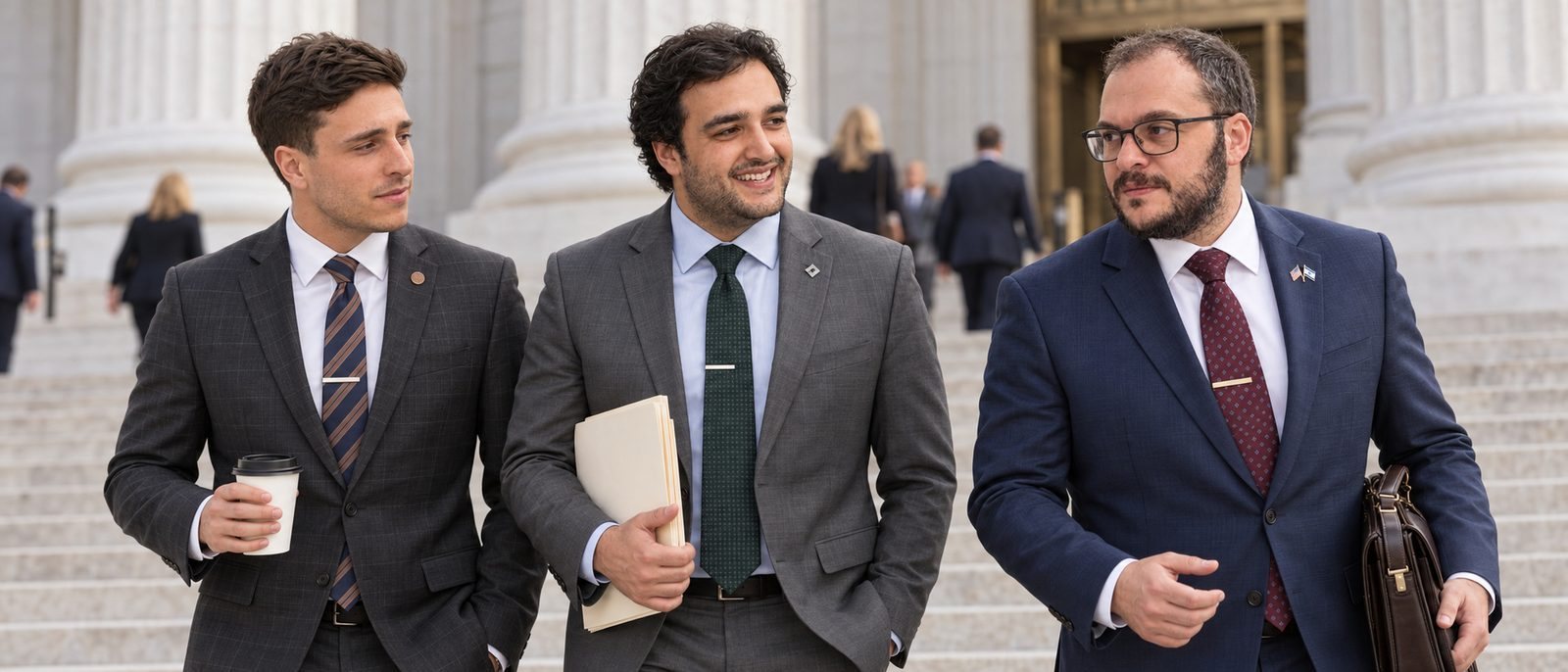
Nationwide on the immigration side; in court in four states
The opinion letter, the memorandum and the declaration are immigration law work, and immigration law is federal. We write them for defense lawyers in every state.
Appearing in the criminal court is different. Our attorneys are admitted in New York, New Jersey, Florida and Pennsylvania, and in those states we can take the plea negotiation ourselves or sit second chair. Everywhere else, you are counsel of record and we are the letter on the table.
- Mikhail Usher: New York, New Jersey, Florida
- Alexander Susi: New York, New Jersey, Pennsylvania
- Mitchell Bromberg: New Jersey, New York
Before the immigration courts, the Board of Immigration Appeals and USCIS, we appear anywhere in the United States.
Run the offer through the tool first
The plea tool applies the same rules our letters do, at the level of offense categories. It takes five minutes, runs in the browser, and produces a memo in the form a defense lawyer can use. If the result is "not triggered" on every line, the call may be short. If it is not, send us the file.
The plea consequences tool
Status, court, offense, sentence, priors. Every ground, every form of relief, the state's sentencing rules, and what to ask for instead. Compare two offers side by side.
Open the tool →Immigration-safer pleas, category by category
What makes a theft, assault, drug, fraud or weapons plea safer, and the questions to put to the prosecutor.
Read →The firm's criminal defense practice, for the cases in New York, New Jersey, Florida and Pennsylvania where we take the plea ourselves.
The criminal defense practice →
Common questions
Can you write for a case outside New York?
Yes. The analysis is immigration law, which is federal and the same in every state. We write opinion letters and briefs for defense lawyers anywhere in the country. What changes by state is the sentencing structure and the disposition types, and the tool's state layer and our letters account for that. Appearing in the criminal court ourselves is different: we do that only in New York, New Jersey, Florida and Pennsylvania, where our attorneys are admitted.
What do you need from me?
The charging document, the plea offer as it stands, the client's criminal history, and the client's immigration history: how and when they entered, their current status, any pending or planned applications, and any travel plans. If the client has run our plea tool, the memo it generates is a useful starting point and tells us what the client has already been told.
How does this satisfy Padilla?
Padilla v. Kentucky, 559 U.S. 356 (2010), requires defense counsel to advise a noncitizen client of the immigration consequences of a plea. A written opinion from immigration counsel, delivered to you and the client before the plea, gives you the advice and a record that it was given. Whether counsel met the standard is judged on the whole case, so we write to the client and the statute actually in front of you, and we are available to explain it to the client in their language.
Do you testify or sign declarations in post-conviction cases?
Yes. Where a plea was entered without immigration advice, we prepare the declaration on what the advice should have been and what alternative dispositions existed, for use in a motion to vacate. In New York that motion is under CPL 440.10; in New Jersey and Florida the vehicles and deadlines differ, and our state pages set them out.
What does it cost?
A flat legal fee quoted after we see the file, before any work begins. There is no charge for the first call about whether the case needs an opinion at all.
Tell us about the charge before you take the plea. Not after.
You get a free conversation with an immigration attorney, in your language. We speak English, Russian, Spanish and Uzbek in-house, and we bring in a live interpreter for anything else. We will read the charge against the immigration statute, tell you what the offered plea does to your status and to every form of relief, and tell you what to ask your criminal lawyer to negotiate instead. If the plea has already been entered, we will tell you what can still be done.