
What we do for a noncitizen with a criminal charge
Four things, and each one starts with the same step: reading the charge against the immigration statute before anyone pleads. We take the criminal case when a negotiated plea is the goal. We write the opinion letter when you already have a defense lawyer. We defend you in immigration court if a conviction leads there. And we file the applications that come after, from a green card with a waiver to citizenship with a record.
Current as of October 2026. We re-check this page regularly and after any rule change.
Most people reach us at one of four moments: a charge has just been filed, a plea offer is on the table, a Notice to Appear has arrived because of an old conviction, or an application is about to be filed by someone with a record. The four services below match those moments. The plea tool is the fastest way to see which one you need, and the free plea review is where every engagement starts.
One first step, then the service that fits the moment
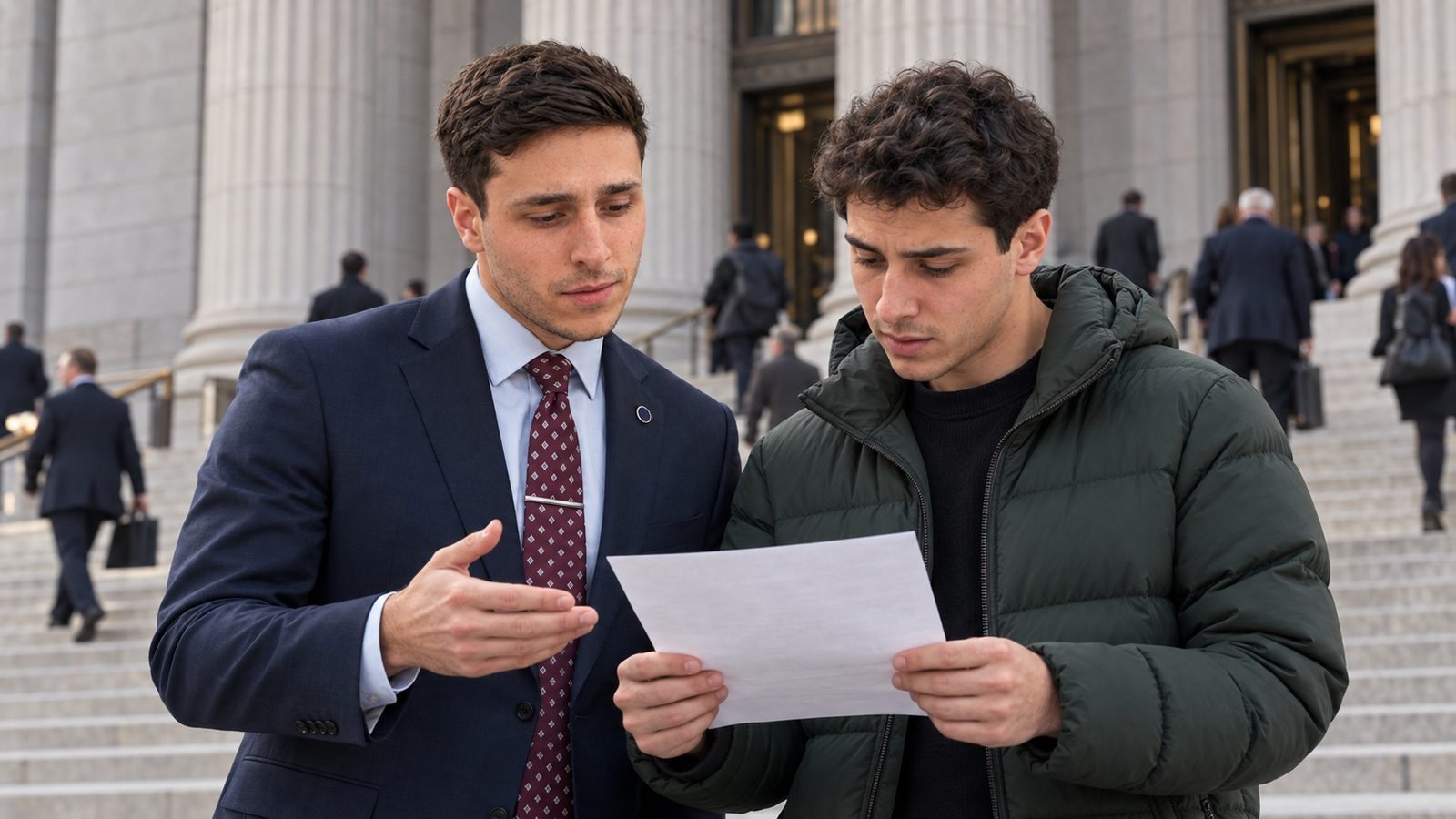
Criminal defense, for the plea
We take the criminal case when the outcome that protects you is a negotiated plea, and we negotiate it with the immigration statute open on the table.
- The count, the sentence, the disposition type and the factual basis, each chosen for what it does under INA 101(a)(43), 237(a)(2) and 212(a)(2).
- 364 days rather than a year. A loss below the statutory threshold. A count without the element that makes it a ground of removal. A disposition with no plea where the court allows one.
- Immigration and criminal lawyers on one file, in the courts where we are admitted: New York, New Jersey, Florida and Pennsylvania.
- Not trials. If the case is going to trial, we refer or co-counsel and stay on for the plea analysis.

The opinion letter, when you already have a lawyer
Keep your criminal lawyer. We add the immigration analysis, in writing, before the plea, for defense lawyers in every state.
Defense lawyers: what we write for you and your client →
- We read the charging document, the statute and the record of conviction against the immigration grounds and the relief bars, under the categorical approach.
- The letter states what the offered plea does to your status and to every form of relief, and what to ask the prosecutor for instead, count by count.
- It goes to you and to your defense lawyer, which also documents the advice Padilla v. Kentucky requires.
- Written for a plea in any state or federal court; the tool's state notes cover all fifty.
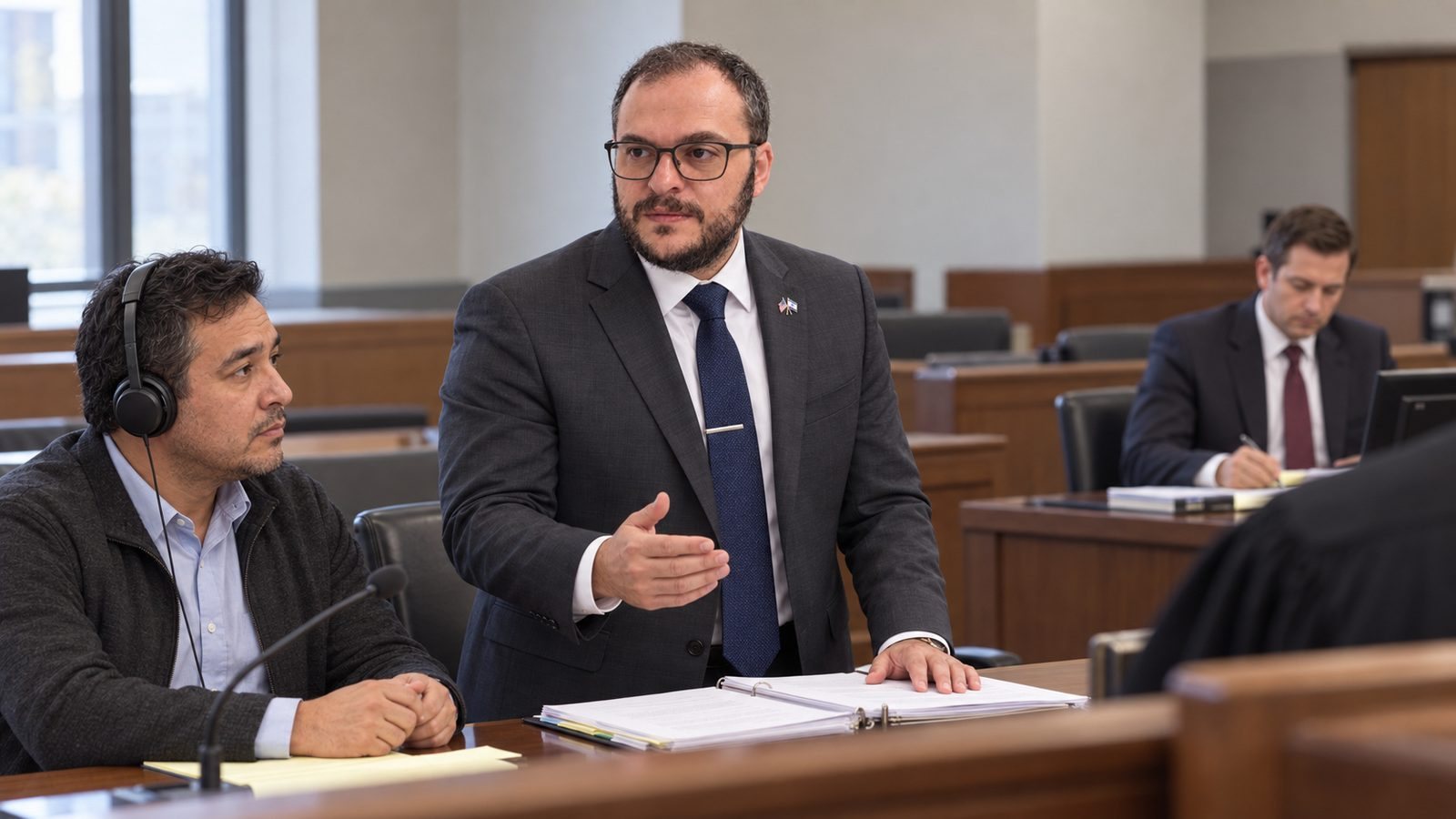
Immigration court, when a conviction leads there
If a Notice to Appear follows a plea, we defend the case before the immigration judge, the Board and the federal courts.
- Contesting the charge: the government has to prove the conviction fits the ground, and under the categorical approach it often does not.
- Every form of relief filed in the alternative: cancellation, the 212(h) waiver, adjustment before the judge, protection, voluntary departure.
- Bond and detention through our practice at icebail.com; post-conviction motions coordinated with criminal counsel so the two cases run on one calendar.
- Appeals within 30 days, motions to reopen within 90, stays of removal.

Immigration applications with a record
A conviction changes what can be filed and when. We file the application that survives it, and we say plainly when one does not.
- A green card with the 212(h) waiver. Naturalization after the statutory period, with the record read against the deportability grounds first.
- TPS and other statuses with criminal bars; travel advice for a resident with a conviction; the U visa and its waiver.
- Post-conviction relief planned with the immigration case: vacaturs that count under Pickering, sentence modifications that count under Thomas and Thompson.
- Family petitions through our practice at visa4love.com.
The same three steps, whichever service you need
The free plea review
A conversation with an attorney in your language. We identify your status, the charge, the dates that run the clocks, and which of the four services fits. If none does, we say so.
The written analysis
What the charge or the offered plea does to your status and to every form of relief, with the authority for each line. This is the opinion letter, or the first document in a defense file.
The work, on a flat fee
The plea negotiation, the court case or the application, quoted as a flat legal fee and confirmed in writing before we begin. Government filing fees are separate and are never part of our fee.

Two lawyers, one file
When the plea has to be vacated, when the sentence has to be modified, or when the criminal case and the immigration case are running at the same time, the criminal and immigration lawyers work from the same file and the same calendar.
What can still be done after a pleaSaid plainly
No trials
Our criminal work is the plea. A case going to trial is referred or co-counseled with a trial lawyer, and we stay on for the immigration analysis of any offer.
No safe-plea lists
We will not tell you a statute number is a safe harbor. Whether a plea is a ground of removal is decided statute by statute, and we say "depends" when it depends.
No promises
We will tell you what a plea does and what to ask for. We will not predict what a prosecutor, a judge or an officer will do, and we give no outcome figures.
Our other practice sites
The full firm: immigration, criminal defense, civil and commercial litigation, family, employment and consumer matters.
Go to usherlegal.com →
immigrationtrial.comOur deportation defense practice, page by page: every stage of a removal case and every form of relief.
Go to immigrationtrial.com →
icebail.comFinding someone in ICE custody, bond hearings, and habeas when the court will not act.
Go to icebail.com →
visa4love.comMarriage and family-based immigration: the petition that makes adjustment possible after a conviction.
Go to visa4love.com →
Read next: the plea tool, plea strategy, after a plea, or the firm.
Common questions
Do you take criminal cases to trial?
No. We take a criminal case when the goal is a negotiated plea that protects immigration status, in the courts where our attorneys are admitted. If a case is headed for trial, we refer it or co-counsel with a trial lawyer, and we stay on for the immigration analysis of any plea that is offered along the way.
I already have a criminal lawyer. What do you add?
The immigration analysis, in writing. Under Padilla v. Kentucky your defense lawyer must advise you of the immigration consequences of a plea; most criminal lawyers are not immigration lawyers. Our opinion letter reads the charge and the record against the immigration statute, states what the offered plea does, and says what to ask the prosecutor for instead. It goes to you and to your lawyer, and it documents that the advice was given.
What does a service cost?
We quote a flat legal fee for each service and confirm it in writing before we begin. The plea review conversation itself is free. Government filing fees for immigration applications are paid to USCIS or the Department of Justice and are never part of our fee; we will confirm the current figures with you rather than quote one we have not checked.
Do you handle cases outside New York?
The immigration side, yes, anywhere in the United States, because immigration court and USCIS are federal. Opinion letters are written for pleas in any state or federal court. Criminal defense representation itself is limited to the courts where our attorneys are admitted: New York, New Jersey, Florida and Pennsylvania.
Tell us about the charge before you take the plea. Not after.
You get a free conversation with an immigration attorney, in your language. We speak English, Russian, Spanish and Uzbek in-house, and we bring in a live interpreter for anything else. We will read the charge against the immigration statute, tell you what the offered plea does to your status and to every form of relief, and tell you what to ask your criminal lawyer to negotiate instead. If the plea has already been entered, we will tell you what can still be done.